You have no items in your shopping bag.

Recent Posts
-
Why Handmade Canes Cost More Than Drugstore Ones (And When It's Worth It)
-
What Is a Resin Walking Cane? The Complete Guide
-
Store Walking Canes Upright When Not In Use
-
Why an Elegant Cane Is a Thoughtful Gift for Loved Ones?
-
The Art of Christmas Design: Walking Canes That Celebrate the Season in Style
-
How an Ergonomic Walking Cane Handle Prevents Hand and Wrist Strain?
MOST POPULAR NOW





09
May
Walking canes have come a long way from plain wooden rods. Today, the most visually breathtaking canes in the world are made using a technique that fuses natural wood with colored resin — creating something that looks less like a mobility aid and more like a sculpture you carry in your hand. This guide explains everything you need to know about resin walking canes: what they are, how they're made, who they're for, and what makes them truly one of a kind.
What Is a Resin Walking Cane?
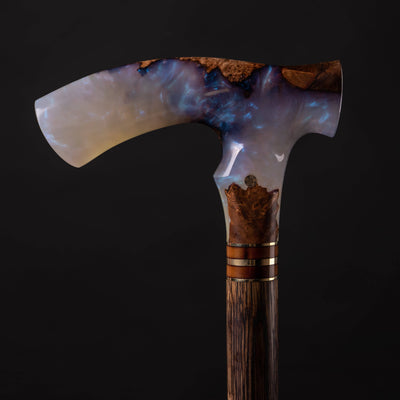
A resin walking cane is a handcrafted walking stick in which epoxy resin — a hard, glass-like synthetic material — is combined with natural wood to form the handle, the shaft, or both. The resin is poured into or around the wood while still liquid, then left to cure and harden. Once finished and polished, the result is a cane with swirling, translucent colors that seem to glow from within.
Unlike painted canes (where color sits on the surface) or carved wooden canes (where the beauty comes purely from the grain), a resin cane has depth. Light passes through the resin layers, creating a three-dimensional visual effect that shifts as you move the cane. No two are identical — not even canes made by the same artisan on the same day.
The most common combination is wood and epoxy resin: a burl or curly maple wood base is paired with colored resin, so the organic texture of the wood grain blends dramatically with rich, flowing color. The effect can look like ocean waves, molten lava, storm clouds, or precious gemstones — depending on the colors and technique used.

How Is a Resin Walking Cane Made?
Making a quality resin cane is a multi-day process that requires both artistic vision and technical skill. Here is how it typically works:
1. Selecting the wood. The craftsman begins with an exceptional piece of wood — usually burl wood (a section of a tree where the grain has grown in swirling, irregular patterns) or curly maple (which has a wavy, rippled grain). These woods are chosen specifically because their natural texture complements the resin beautifully.
2. Preparing the mold. The wood is shaped and placed in a mold. The artisan plans the color composition: which resins will be used, how they will be layered, where the colors will blend and where they will remain distinct.
3. Mixing and pouring the resin. Pigments are added to the epoxy resin and mixed. The colored resin is poured carefully around or into the wood, sometimes in multiple layers to create depth. This is where the artistry happens — the placement and flow of the resin determines the final visual pattern, and it cannot be fully controlled or predicted. Every pour is unique.
4. Curing. The resin hardens over 24–72 hours. During this time, the colors settle and the wood-resin bond becomes permanent.
5. Shaping and sanding. Once cured, the piece is removed from the mold and shaped on a lathe or by hand into the final handle form. It is sanded through progressively finer grits — sometimes up to 12,000 grit — to achieve a glass-smooth surface.
6. Finishing and polishing. The cane is polished to a deep, mirror-like shine. A final protective coating seals the surface, making it durable and resistant to everyday wear.
The entire process, done correctly, can take anywhere from several days to over a week for a single piece.

Burl Wood and Resin: A Perfect Pairing
To understand why resin canes look so spectacular, it helps to understand what burl wood is. A burl is an abnormal growth on a tree — a dense, rounded knot that forms when the tree experiences stress. Inside a burl, the wood grain grows in wild, chaotic, swirling directions rather than in straight lines. This creates extraordinary natural patterns: waves, eyes, flames, and spirals that are impossible to replicate artificially.
When epoxy resin — especially colored, translucent resin — is combined with burl wood, the two materials enhance each other. The flowing, organic chaos of the burl grain mirrors the flowing, unpredictable movement of the poured resin. The result looks like something that grew in nature rather than something made in a workshop.
At ART WALKING STICKS, artisans use several types of exceptional burl woods:
- Curly maple burl — pale with dramatic rippling grain, it takes color beautifully and creates high-contrast, almost electric visual effects when paired with bold resins
- Exotic burl wood — denser and darker, with tighter grain patterns, it creates a more subdued, jewel-like effect
- Red maple burl — warm reddish tones that complement deep blues, blacks, and golds especially well

What Colors and Styles Are Available?
One of the great pleasures of a resin cane is the range of visual possibilities. Because the resin can be tinted any color, and because it flows freely into the wood's natural texture, the combinations are essentially limitless. Some of the most striking styles include:
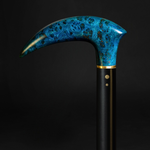
Deep ocean blue. Translucent blue-green resin poured into exotic burl creates a cane that looks carved from the sea floor. The effect is cool, sophisticated, and almost liquid in appearance. The Exotic Burl Wood Walking Cane from ART WALKING STICKS achieves exactly this — a deep oceanic blue that shifts in the light.
Malachite green. Rich emerald resin swirled through burl wood captures the banded patterns of the semi-precious stone malachite. The Malachite Shade Walking Cane is a striking example — green tones that feel both natural and precious.
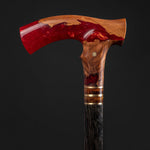
Bold red. Red resin in burl wood produces a cane that commands attention. The MAGIC Red Walking Cane is a strong statement piece — warm, bold, and deeply personal.
The signature MAGIC collection. ART WALKING STICKS' flagship line — the MAGIC series — takes the wood-resin technique to its highest level. Each cane is made entirely to order, with the handle sculpted from burl maple infused with flowing resin in the buyer's chosen colors. The result is a cane that is entirely personal: no other person in the world will ever have the same one. The MAGIC Walking Cane is the best example of this — a make-to-order piece that starts with a conversation about color, style, and preference before a single drop of resin is poured.

Resin vs. Painted Wood: What's the Difference?
People sometimes confuse resin canes with painted or lacquered wooden canes. The difference is fundamental:
A painted cane has color applied to the outside. Over time, paint can chip, scratch, or fade. The underlying wood is separate from the color — they are two different layers.
A resin cane has color built into the material itself. The wood and resin have merged permanently. There is no surface film to chip off — the color goes all the way through. This makes resin canes far more durable in terms of their appearance. The polished surface resists everyday scratches, and the colors remain vivid for decades.
Think of it this way: a painted cane is like a colored house — the color is on the walls. A resin cane is like a gemstone — the color is in the stone itself.

Is a Resin Walking Cane Actually Durable?
A concern some buyers have is whether resin is strong enough to withstand the demands of daily use. The answer, when the cane is made correctly, is yes — with some nuance.
Cured epoxy resin is extremely hard. It is used in aerospace components, marine applications, and jewelry precisely because of its hardness and resistance to moisture. When properly mixed and cured, it will not crack, warp, or rot. Combined with a solid wood shaft, a resin-handled cane is structurally robust for daily walking support.
The key is quality of manufacture. A properly made resin cane — one where the resin was mixed at the correct ratio, poured without air bubbles, and allowed to cure fully before machining — is genuinely tough. A rushed or poorly made one can be brittle. This is why handcrafted resin canes from dedicated artisans command a premium: the process cannot be shortcut without compromising the result.
At ART WALKING STICKS, each cane is made to order for a specific owner. There is no production line, no batch manufacturing, and no cutting corners. The shafts are solid hardwood; the handles are shaped, sanded, and polished by hand. The result is a cane built to be used — not just displayed.

Who Is a Resin Walking Cane For?
Resin walking canes sit at the intersection of functional mobility aid and wearable art. They appeal to a surprisingly wide range of people:
Style-conscious individuals who use a cane daily. For those who rely on a cane for balance or mobility, the frustration of plain, clinical-looking aids is real. A resin cane transforms a medical necessity into a personal statement — something to be proud of rather than embarrassed by.
Fashion-forward people who don't need a cane medically. Walking canes have always been fashion accessories as much as mobility tools. A stunning resin cane is a conversation piece, an accessory that elevates any outfit, and a reflection of refined personal taste.
Collectors. Because each handmade resin cane is unique, collectors treat them the way they would treat fine art or jewelry. A set of resin canes — each with a different color story — is a collection of one-of-a-kind objects.
Gift buyers. A handmade, made-to-order resin cane is among the most personal and unexpected gifts possible. It can be made in the recipient's favorite colors, at their specific height, and delivered as something they will use and treasure for years.

How to Choose a Resin Walking Cane: Key Considerations
If you're considering a resin cane, here are the factors that matter most:
Handle shape and comfort. The handle is the most important ergonomic element of any cane. For resin canes, the handle is also the main visual feature. Classic shapes include the derby (curved, elegant, distributes weight well), the knob (rounded, comfortable for arthritis sufferers), and the fritz (open-ended, gives the fingers more room). ART WALKING STICKS' MAGIC collection uses a proprietary handle shape designed to sit naturally in the palm, fitting both left and right hands.
Correct height. A cane that is the wrong height can cause shoulder or wrist strain. The standard rule: when standing upright, the handle should reach the crease of your wrist. ART WALKING STICKS offers custom sizing for all their handmade pieces — the cane is made to your measurements, not from a fixed standard.
Color palette. Consider both your personal taste and your wardrobe. A deep blue or green resin cane works with almost any outfit. A bold red or yellow is more of a statement piece. If you're ordering a made-to-order cane, the artisan can guide you through color combinations based on your preferences.
Wood type. Different burl woods have different visual weights. Lighter woods like curly maple create high-contrast, graphic effects with colored resin. Darker woods like exotic burl create more atmospheric, jewel-like effects. Both are beautiful; it's a matter of personal aesthetic.
Shaft material. Most quality resin canes have a beechwood or hardwood shaft. Some are fitted with a metal ferrule tip for durability. Ensure the shaft is solid, not hollow.
How to Care for a Resin Walking Cane
A quality resin cane is low-maintenance, but a few habits will keep it looking exceptional for years:
Clean with a soft cloth. A dry or lightly damp microfibre cloth removes dust and fingerprints. Avoid abrasive cloths or scouring pads.
Avoid prolonged direct sunlight. Like most fine materials, epoxy resin can yellow very slightly over years of UV exposure. Store your cane away from windows when not in use.
Polish occasionally. A light application of car wax or furniture wax on the resin surface restores the deep shine and adds a layer of protection.
Protect the tip. The rubber ferrule at the bottom of the cane takes the most wear. Check it periodically and replace it when worn — a worn tip affects grip and throws off the cane's balance. Replacement ferrules are inexpensive and widely available.
Store upright or in a cane bag. Leaning a cane horizontally for long periods can put stress on the shaft. Store it upright in a cane stand or in a protective bag.

Why Handmade Matters
Mass-produced resin items exist — resin pendants, bowls, keychains — but a truly handmade resin cane is a different category of object entirely. The handle must be ergonomically correct for the human hand. The shaft must be structurally sound for weight-bearing use. The proportions must be balanced so the cane feels right when walking. And the visual design must be coherent, beautiful, and intentional.
That combination of structural engineering and aesthetic craft is not achievable on a production line. It requires a person who understands both the material and the human who will use it.
At ART WALKING STICKS, each piece in the Unique Canes collection is the result of exactly this kind of thinking. The workshop does not produce canes waiting for an owner. Every cane is made after the owner is identified — to their height, their preferred color, their hand. This is what separates a handmade resin cane from a souvenir or a novelty item: it is built for a specific person, and it will be used by that person, every day, for years.

Explore the Collection
ART WALKING STICKS' resin and burl wood canes are available in the Unique Canes collection, with prices starting from $462. Made-to-order pieces like the MAGIC series allow full customization of color and size. Because each piece is one of a kind, availability changes daily — popular pieces often sell within hours of being posted.
If you're looking for a walking cane that is genuinely unlike anything else you've seen — something you'll be asked about every time you carry it — a handmade resin cane is exactly that.
Each resin and burl wood cane at ART WALKING STICKS is made by hand, to order, for a specific owner. Browse the full collection, or contact the team to discuss a custom made-to-order piece in your preferred colors.
 ART WALKING STICKS
Also Purchased
-
![Floral carved walking canes and sticks]()
Beige Walking Cane for Ladies Chamomile Flower, Wooden Walking Stick
Introducing our beautiful Beige Walking Cane for Ladies with Chamomile Flower, a Wooden Walking Stick that is hand carved and handmade, making it both pretty and unique. This walking cane...$90.00$79.50 -
![Wolfman cane - Wolf Head Cane - Canes and Walking Sticks for Men and Women]()
Wolfman cane - Wolf Head Cane - Canes and Walking Sticks for Men and Women
Wolfman cane - Wolf Head Cane - Wolf Head Canes and Walking Sticks. Some of us need support when walking, so we use canes. But a person with a cane...From $189.00 -
![Luxury Stylish Walking Cane with Ergonomic Handle]()
Luxury Stylish Walking Cane with Ergonomic Handle Swarovski Crystal
New Luxury Handcrafted Walking Cane by ARTWalkingSticks You feel the difference the moment you take it in your hand. Every detail of this walking cane reflects exceptional craftsmanship. It is...$87.00 -
![Comfort Grip Golden Retriever Walking Cane, Ergonomic Walking Stick]()
Comfort Grip Golden Retriever Walking Cane, Ergonomic Walking Stick
This Golden Retriever walking cane has been designed and crafter to the highest of standards.This 'Ergonomic Cane' walking stick is practical and stylish and would be great for any dog...$195.00 -
![ArtWalkingSticks™ MAGIC Walking Cane, Handmade - Make to Order]()
ArtWalkingSticks™ MAGIC Walking Cane, Handmade - Make to Order
This piece of art is created for those who value details. We make one of a kind, handcrafted wood and resin canes. Our Wooden Canes are completely unmatched in creativity....$430.00 -
![Postmodern Art Walking Cane Handmade from Ash Wood]()
Aceents Einstein Modern Art Sculptural Walking Cane – Postmodern Design
Discover a unique postmodern walking cane designed by ARTWalkingSticks — a functional piece of contemporary art crafted for everyday use. This sculptural cane is hand-carved from durable Ash Wood, making...$155.00